
Evidence for topical staph prevention: Regenerate RX
Editorial Team
Table of Contents
- Understanding Staphylococcus aureus and Skin Colonization
- How Staph Skin Infections Spread in High-Contact Environments
- MRSA Prevention for Athletes: Evidence-Based Topical Strategies
- Antiseptics for Staphylococcus aureus on Skin: What the Research Shows
- Preventing Recurrent Staph Infections Through Decolonization and Hygiene
- Wound Care for Cuts and Scrapes: Immediate Response and Healing
- Topical Staph Prevention Products: Comparing Natural and Chemical Options
- Frequently Asked Questions
Last Updated: October 19, 2026
Understanding Staphylococcus aureus and Skin Colonization
Staphylococcus aureus colonizes human skin and mucous membranes, often without causing infection, but in high-contact environments, skin breaks, shared surfaces, and friction create pathways for infection.
At Zombie Sport Co, we approach topical staph prevention by addressing both colonization and the skin barrier itself: reducing bacterial burden, supporting skin integrity, and preventing the conditions that let infection establish.
Athletes can carry staph asymptomatically for weeks or months, becoming vectors for transmission to training partners. Risk escalates when skin is compromised: cuts, scrapes, and micro-tears common in grappling create entry points where colonized bacteria establish infection.
How Staph Skin Infections Spread in High-Contact Environments
Staph spreads through direct contact with contaminated skin, wound drainage, or shared surfaces. In gyms, transmission occurs on mats, equipment, and towels where bacteria survive for hours or days, and warm, humid conditions accelerate growth.
High-contact sports create ideal conditions for spread: athletes training on shared mats with small cuts exchange bacteria directly, and even minor skin breaks can let staph colonize and progress to infection. Prevention requires both personal hygiene and environmental controls.
Recurrent infections are common because colonization persists.
Direct skin-to-skin contact during grappling or partner drills is the highest-risk scenario; contaminated equipment and mats are a secondary but significant route. Hygiene, topical antimicrobials, and environmental cleaning each interrupt a different point in this chain.
MRSA Prevention for Athletes: Evidence-Based Topical Strategies
MRSA (methicillin-resistant Staphylococcus aureus) resists beta-lactam antibiotics, including methicillin, oxacillin, and most penicillins and cephalosporins.
The key distinction here is between prevention, decolonization, and treatment, three different jobs, and topical products do not substitute for one another across them:
- Prevention reduces bacterial burden on intact skin and lowers the chance that colonization progresses to infection. This is where daily topical antimicrobials, hygiene, and wound coverage belong.
- Decolonization is a structured, time-limited protocol intended to clear carriage from the body's primary reservoirs, the nares, skin, and sometimes the throat, usually after recurrent infection or known exposure. It is typically clinician-directed and combines intranasal agents with antiseptic bathing.
- Treatment targets an active infection and requires medical evaluation. Topical prevention products are not treatments, and using them to delay care for a spreading, warm, or draining lesion is a common and avoidable failure mode.
What the evidence actually supports for MRSA prevention
The strongest clinical evidence in the decolonization literature centers on two agents: intranasal mupirocin and chlorhexidine gluconate bathing. Protocols combining both are the most studied approach for reducing recurrent MRSA skin infections in households and athletic cohorts.
Natural and non-antibiotic topical agents occupy a different evidence tier. Tea tree oil (Melaleuca alternifolia) has documented in vitro activity against MRSA reference strains, largely attributed to membrane disruption by terpinen-4-ol (pubmed.ncbi.nlm.nih.gov).
Key Takeaway
Prevention products lower bacterial burden on healthy skin. They do not clear nasal carriage, and they do not treat an active infection. If you have had two or more staph infections in a season, or a household member has been infected, that is a signal to talk to a clinician about a formal decolonization plan rather than to escalate daily product use.
Practical prevention framework for athletes
- Cover and clean every break in the skin before training. Even micro-abrasions are entry points; a clean, breathable dressing is the highest-yield single step.
- Shower promptly after training with soap and water, and do not share towels, razors, or gear that contacts skin.
- Apply a topical antimicrobial to intact, high-friction areas (elbows, knees, forearms, hands) before and after training as a burden-reduction layer, not as a substitute for cleaning.
- Disinfect shared surfaces and equipment according to facility protocols; mats and handles are documented transmission routes.
- Escalate to a clinician for any lesion that is spreading, warm, painful, or accompanied by fever, and for any pattern of recurrence.
This is where Regenerate RX fits the prevention tier: it pairs tea tree oil's documented in vitro activity with the acidic chemistry of apple cider vinegar and skin-conditioning oils, giving athletes a multi-mechanism option for routine use on intact skin.

Antiseptics for Staphylococcus aureus on Skin: What the Research Shows
Antiseptics reduce bacterial load on skin through chemical or physical mechanisms, and their effectiveness against Staphylococcus aureus varies by product type, concentration, and application method.
Chemical antiseptics like chlorhexidine offer rapid, broad-spectrum bacterial reduction and are well studied for reducing skin colonization, but carry considerations around irritation, resistance development, and long-term use safety.
Research distinguishes bacteriostatic effects (slowing growth) from bactericidal effects (killing bacteria outright). Most natural antiseptics are primarily bacteriostatic, they reduce bacterial burden without eliminating it, which is sufficient for prevention, where the goal is keeping load below the infection threshold.
For athletes selecting topical staph prevention products, the evidence supports formulations that combine multiple antimicrobial mechanisms.
Preventing Recurrent Staph Infections Through Decolonization and Hygiene
Recurrent infections occur when staph colonization persists despite treatment. Decolonization targets colonized sites, typically nasal passages and skin, to reduce the bacterial reservoir. For athletes, decolonization combined with rigorous hygiene represents the most effective prevention strategy.
Intranasal mupirocin has evidence supporting its role in decolonization: the nasal cavity is a primary colonization site for Staphylococcus aureus, and reducing nasal carriage decreases the likelihood of skin colonization and infection.
All-Natural Regenerate RX Protect and Restore Balm →
Hygiene practices form the foundation of prevention: regular handwashing reduces transmission, showering immediately after training removes bacteria and narrows the window for infection, and changing into clean clothes prevents recontamination from training wear.
For athletes, decolonization should include both nasal and skin approaches.
Household contacts require attention during decolonization: family members can acquire colonization through contact with an infected athlete, creating a cycle of reinfection.
Wound Care for Cuts and Scrapes: Immediate Response and Healing
Immediate wound care determines whether a minor skin break stays minor or progresses to infection. The first step is cleansing: removing debris, bacteria, and contaminants before applying any treatment product.
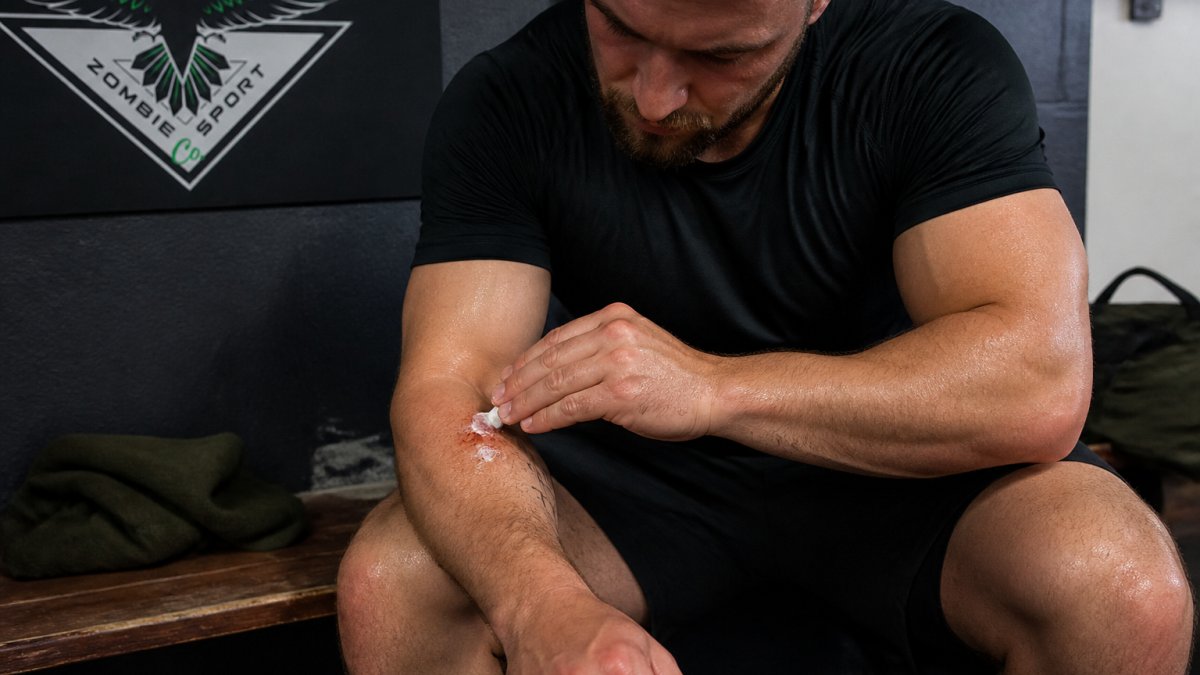
Clean the wound with soap and water as soon as possible after injury to remove gross contamination and reduce bacterial load. Where facility access is limited, keeping antimicrobial products like Regenerate RX or NutriCore Vital within reach allows early intervention while you access proper wound care.

After cleansing, apply a topical antimicrobial formulated for wound care.
Covering the wound protects it from recontamination and environmental exposure. Clean, dry dressings keep bacteria out while letting the wound breathe; occlusive dressings can accelerate healing for minor scrapes, but sterile, breathable bandages work well for most training injuries.
Immediate wound care has three goals: remove contamination, apply antimicrobial protection, and prevent reinfection during healing.
Topical Staph Prevention Products: Comparing Natural and Chemical Options
Most product roundups stop at a feature table. The more useful question is: which topical agent fits which job, and what are its limits? The table below grades common options by intended use, evidence quality, and safety considerations so you can match the product to the situation rather than to marketing.
| Product type | Intended use | Evidence quality | Key safety / limits |
|---|---|---|---|
| Tea tree oil formulations | Routine prevention on intact skin; burden reduction | In vitro activity against staph and MRSA; limited clinical outcome data | Skin irritation and allergic contact dermatitis possible; do not ingest; patch-test first; keep away from eyes |
| Acetic acid / vinegar-based approaches | Adjunct prevention; pH-based suppression | Mechanistic and limited laboratory data | Can sting on broken skin; not a substitute for cleaning or treatment |
| Chlorhexidine gluconate wash | Decolonization bathing; clinical and outbreak settings | Strong for reducing skin colonization in structured protocols | Irritation and dryness with frequent use; rare serious hypersensitivity; avoid eyes, ears, mucous membranes; not for daily lifelong use |
| Intranasal mupirocin | Nasal decolonization (prescription) | Strong for nasal carriage reduction in combination protocols | Prescription only; defined course; mupirocin resistance is a documented concern |
| Povidone-iodine | Antisepsis for wounds and pre-procedure skin | Long clinical history | Staining; thyroid and skin-sensitivity cautions; not for routine daily whole-body use |
| Silver-containing dressings/products | Wound-site antimicrobial coverage | Studied in wound care | Not a skin-prevention product; use per wound-care guidance |
| Multi-mechanism natural balms/sprays (e.g., Regenerate RX, NutriCore Vital) | Daily prevention and post-training burden reduction on intact skin | Built on documented in vitro activity of components; positioned for routine use | Patch-test; avoid deep or heavily contaminated wounds without cleaning first; not a treatment |
How to read the evidence tiers
The agents with the strongest clinical-outcome evidence, chlorhexidine bathing and intranasal mupirocin, are also the ones with the most defined limits: they are protocol agents, often clinician-directed, and not intended for indefinite daily use.
Watch Out
Do not use prevention products as a substitute for medical treatment. Signs of active infection, spreading redness, warmth, swelling, pain, drainage, or fever, warrant prompt evaluation. Delaying care is the most common way a minor lesion becomes a serious one.
A practical selection guide
- No prior infections, routine training: daily hygiene, prompt wound coverage, and a well-tolerated topical antimicrobial on high-friction areas before and after training.
- One recent minor infection, now healed: tighten hygiene and wound care, add consistent topical prevention, and monitor.
- Recurrent infections or a household case: discuss a formal decolonization plan with a clinician; proven agents (chlorhexidine bathing, intranasal mupirocin) belong in that conversation, and household contacts may need to be included.
- Active, spreading, or painful lesion: medical evaluation first; prevention products are not treatment.
Why multi-mechanism natural formulations earn a place
Single-mechanism products depend on one pathway working. Formulations that combine acidity, a documented antimicrobial essential oil, and skin-conditioning agents address bacterial burden through more than one route while supporting the skin barrier, itself part of prevention, since compromised skin is what lets colonization become infection.
Frequently Asked Questions
What kills staph topically and prevents recurrent infections?
Tea tree oil, apple cider vinegar, and coconut oil are natural ingredients studied for antimicrobial activity against Staphylococcus aureus. Products like Regenerate RX combine these with protective beeswax and shea butter to defend skin while supporting healing. Topical staph prevention works best when paired with wound cleaning, proper dressing, and hygiene measures that reduce bacterial burden on skin and prevent transmission to others.
Can topical products prevent staph infections, or do I only need them after infection starts?
Topical staph prevention products work in two ways: they reduce bacterial colonization on healthy skin and accelerate healing of minor cuts and scrapes before infection takes hold. For athletes in high-contact sports, using a prepared hygiene spray like Infusion before and after training helps maintain skin integrity. Once a break in skin occurs, immediate wound care with products formulated for antiseptic and antifungal defense, like Regenerate RX or NutriCore Vital, supports faster closure and reduces infection risk.
How should athletes clean cuts and scrapes to reduce infection risk?
Clean the wound with water as soon as possible to remove debris and reduce bacterial load. Pat dry gently, then apply a topical antimicrobial product designed for wound care. Products containing tea tree oil and coconut oil support both defense and skin conditioning. Cover the wound with a clean, dry dressing if it's in an area exposed to contact or dirt. Reapply topical care as directed and monitor for signs of infection. Keep the area clean and dry until healing is complete.
Do antiseptics for Staphylococcus aureus on skin actually reduce infection rates in athletes?
Yes. Antiseptic products reduce bacterial burden on skin when used consistently. Natural antiseptics like tea tree oil and apple cider vinegar have been studied for activity against staph strains, including MRSA. For athletes, the practical benefit is using a prepared antiseptic spray or balm immediately after training and before stepping onto shared mats or surfaces. This dual approach, reducing staph colonization on your skin and preventing transmission to training partners, supports lower infection rates in high-contact environments.
Is preventing recurrent staph infections better than treating it after it happens?
Prevention is far more effective than treatment after infection develops. Recurrent staph infections often stem from incomplete decolonization or reexposure in shared-contact environments. A prevention strategy includes maintaining skin health with conditioning products, using antiseptic hygiene sprays before and after training, and treating minor breaks in skin immediately with antimicrobial balms or sprays. This approach reduces both your infection risk and the chance of spreading staph to training partners or family members.
Are natural topical staph prevention products as effective as chemical antiseptics like chlorhexidine?
Natural ingredients like tea tree oil and apple cider vinegar have documented antimicrobial activity against Staphylococcus aureus in laboratory conditions. The advantage of natural formulations is they combine antimicrobial defense with skin conditioning and healing support, not just bacterial reduction. For athletes, this means faster skin recovery alongside infection prevention. The choice depends on your skin sensitivity and whether you prefer all-natural ingredients. What matters most is consistent use and proper wound care technique.